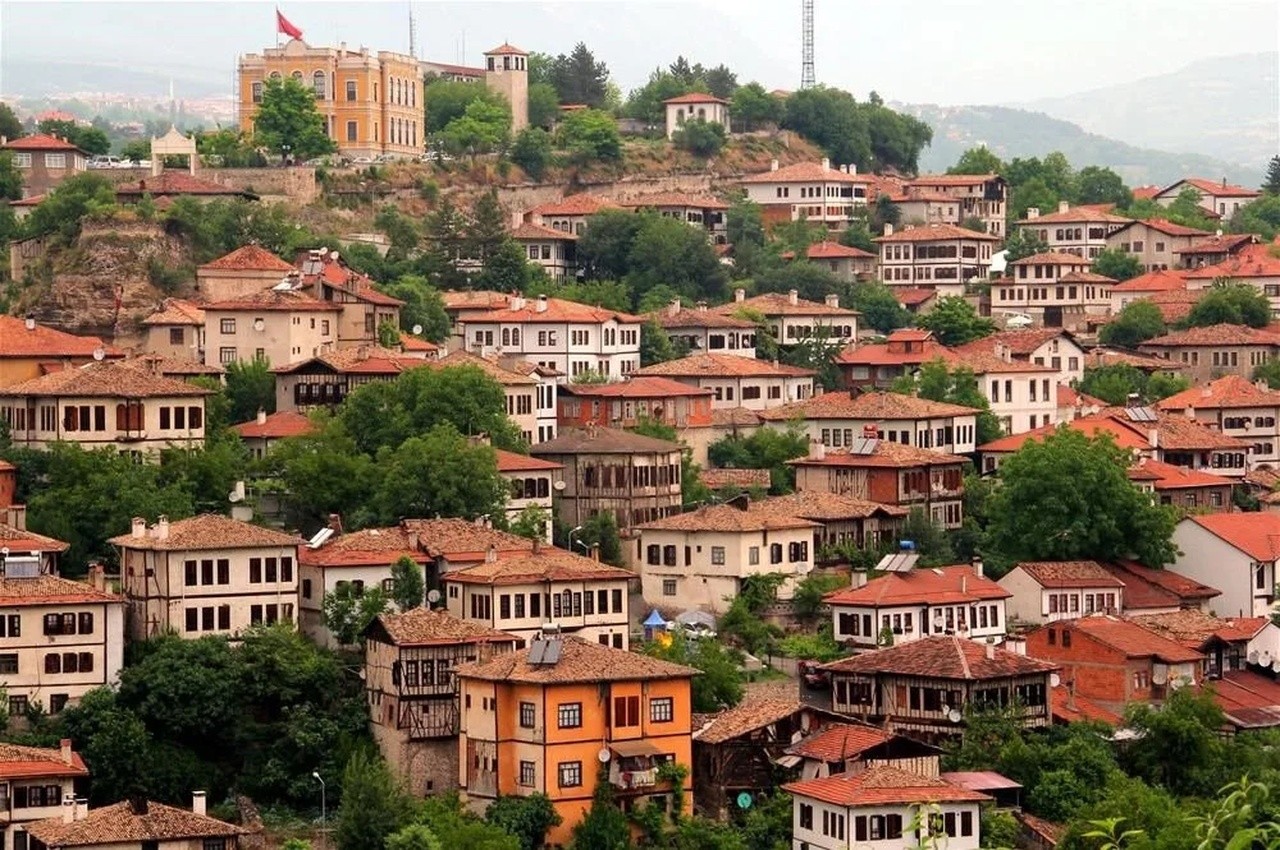
Explore the highlights of Safranbolu—Ottoman architecture, historic landmarks, and best viewpoints—followed by a picturesque drive to Amasra on Turkey’s Black Sea coast.
Safranbolu: Time Travel in a Living Ottoman Town
There are places in Türkiye where history feels like a museum, and others where it feels alive. Safranbolu belongs firmly to the second group. Tucked into the hills of the Black Sea region, this UNESCO World Heritage town is a place where whitewashed Ottoman mansions still lean over cobbled streets, the smell of coffee and fresh Turkish delight drifts from old shopfronts, and life moves at a gentler pace than in Istanbul or the big coastal resorts.
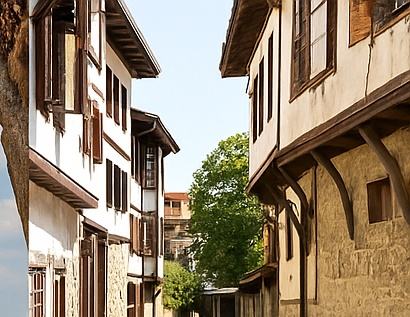
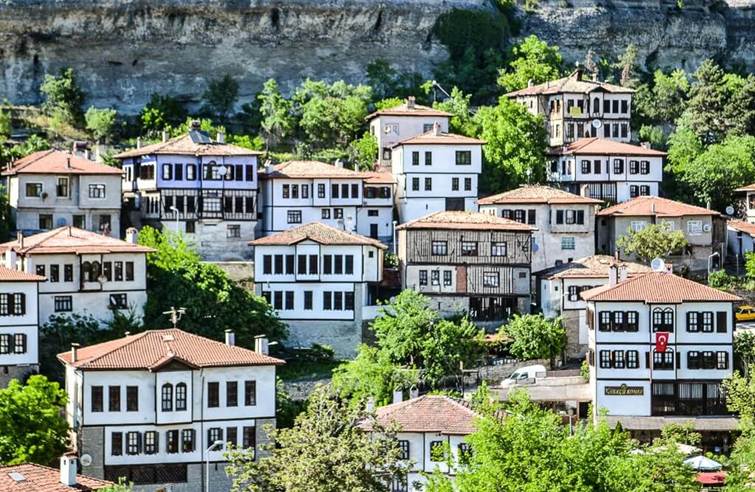
Most people first hear of Safranbolu, Turkey because of its famous houses: tall, timber-framed mansions with red-tiled roofs, wooden shutters and overhanging upper floors. Walking through the historic centre, you pass row after row of these Ottoman houses, many carefully restored as boutique hotels, cafés or small museums. From the hilltop Clock Tower, the view over red roofs and winding streets makes it easy to understand why UNESCO stepped in to protect the town – it’s one of the best-preserved examples of traditional Ottoman urban architecture anywhere in the country.
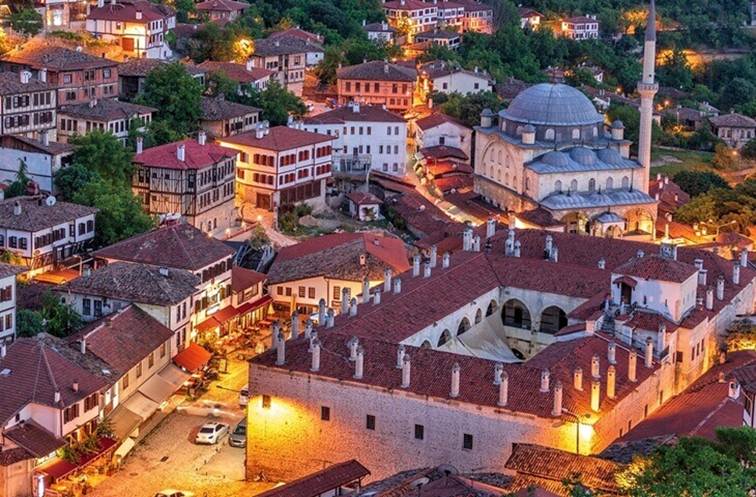
Down in the streets, everyday life mixes easily with history. In and around Cinci Han, a 17th-century caravanserai, and Cinci Hammam, once vital stops for Silk Road travellers, you can almost picture merchants and caravans arriving after a long journey. Today, instead of camels, there are more likely to be minibuses and tourists with cameras, but the stone courtyards, domes and arches keep the old atmosphere intact. At the Kaymakamlar Museum House, creaking floors, kilims, carved wooden ceilings and carefully recreated rooms show how a wealthy family once lived, down to the smallest domestic detail. Nearby, İzzet Mehmet Pasha Mosque adds a graceful religious note, its elegant proportions and quiet courtyard offering a moment of calm in the middle of town.
Safranbolu isn’t only about buildings, though; it’s also about flavours and small rituals. The town is named after saffron, and you’ll see it in shop windows alongside copperware, textiles and boxes of lokum. Many visitors list “trying saffron Turkish delight” and sipping coffee or tea in a restored konak as some of their favourite things to do in Safranbolu. Because the historic centre is compact, it’s easy to spend hours simply wandering: one moment you’re passing a tiny workshop where a craftsman hammers copper; the next, you’re in a quiet side street where time feels completely still.
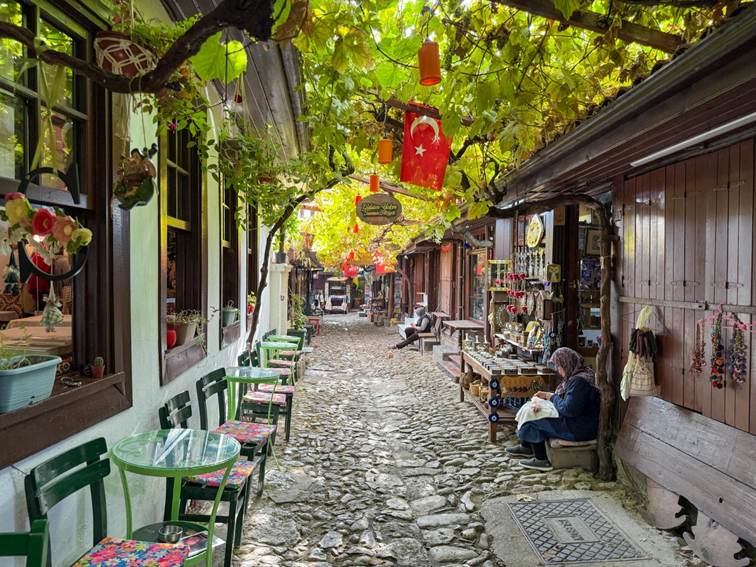
What makes Safranbolu special is the way all of this fits together. It’s close enough to be combined with Amasya, Kastamonu, Hattusa or Amasra on a wider Black Sea route, yet self-contained enough to justify a dedicated stop. You can arrive in the afternoon, drop your bags in a restored mansion, and go straight out into streets that look much as they did a century ago. By the time you leave – whether you’ve stayed one night or several – it’s hard not to feel that you’ve stepped inside a perfectly preserved chapter of Ottoman life and then quietly stepped back out again.
Who is This Route Perfect For?
Best Time to Visit Safranbolu
Safranbolu is lovely year-round, but the most comfortable seasons are:
Explore Safranbolu with Fez Travel
Safranbolu doesn’t always need a long explanation to be unforgettable. Our approach is simple:
a short, iconic Safranbolu experience followed by the coastal charm of Amasra—a balanced day full of culture, views, and beautiful moments.