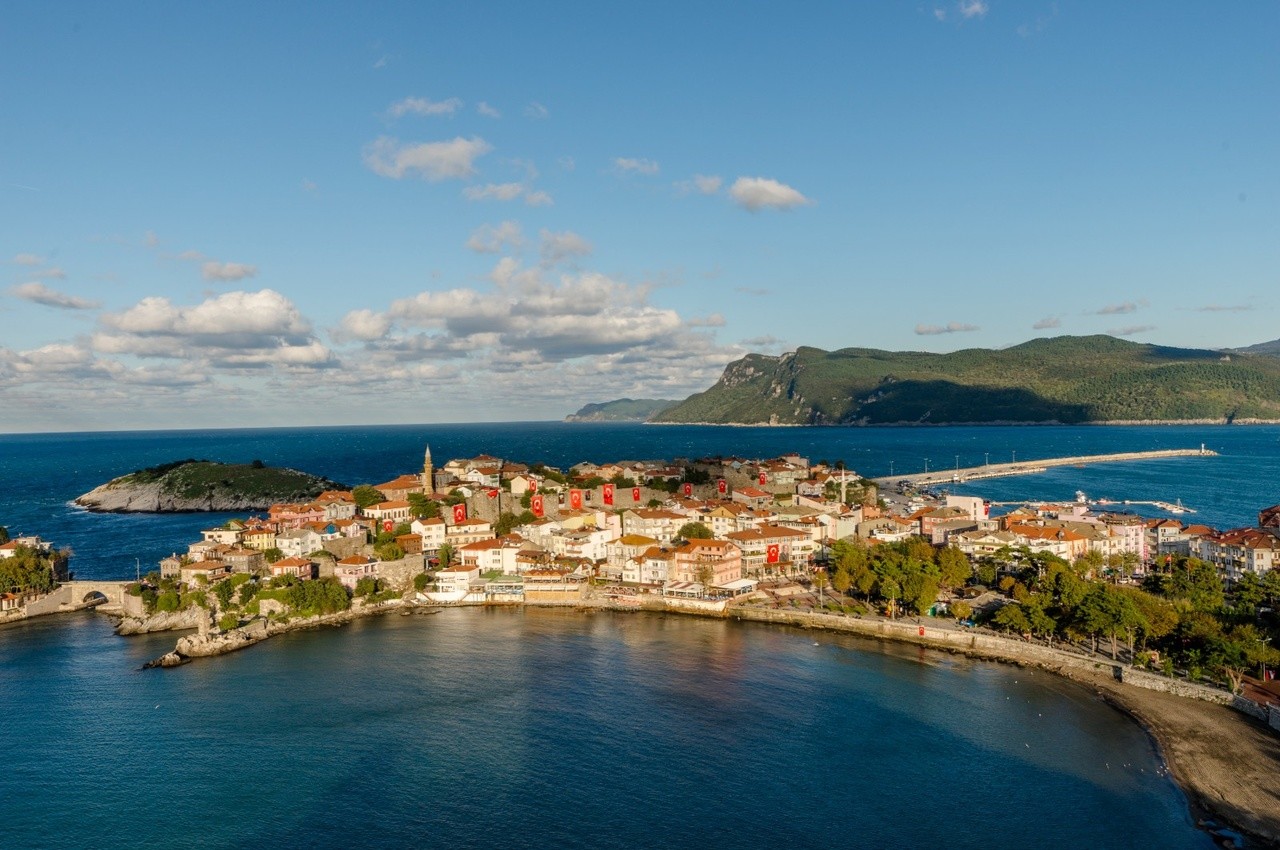
Explore Amasra’s two bays, harbour cafés, castle viewpoints, and cobbled streets—an unforgettable Black Sea gem that fits perfectly into a wider Turkey itinerary.
Some places in Türkiye impress you with monuments; Amasra wins you over with mood. Perched on a small peninsula on the Black Sea coast, this compact town combines medieval walls, fishing boats, sea views and simple seafood restaurants in a way that feels both low-key and unforgettable. It’s the kind of place where you arrive “just for a few hours” and find yourself wishing you had stayed the night.
Approaching Amasra, Turkey, the landscape changes from inland hills and forests to glimpses of deep blue sea. The town itself is split between the mainland and a rocky peninsula connected by old stone bridges, with remnants of Byzantine and Genoese fortifications still standing guard. Wandering along the walls and through narrow lanes, you catch sudden views of coves, inlets and sheer cliffs dropping into the Black Sea. It’s easy to understand why this site has been settled since antiquity – it’s naturally defensible, naturally beautiful and feels just removed enough from the rest of the world.
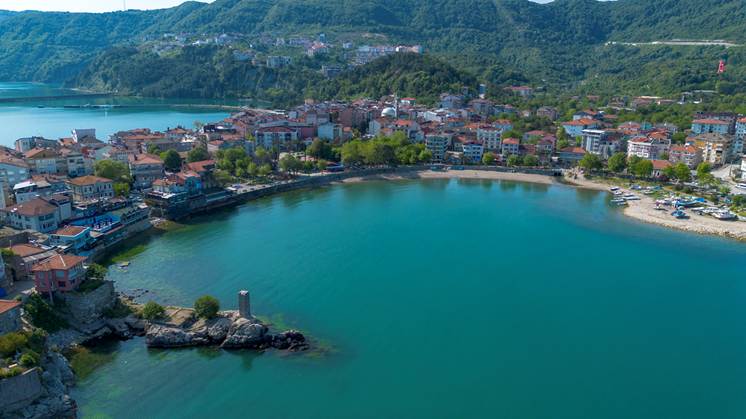
Down by the water, the harbour is lined with small fishing boats and simple cafés. Fresh fish is the star here: grilled, fried or served as meze, usually eaten at a table with a view of the sea and the old Amasra Castle above. This isn’t polished resort tourism – it’s honest, local and charming. In summer, locals and visitors alike head to nearby beaches and coves; in spring and autumn, the town has a softer, quieter atmosphere, with mist, changing light and occasional waves crashing against the rocks.
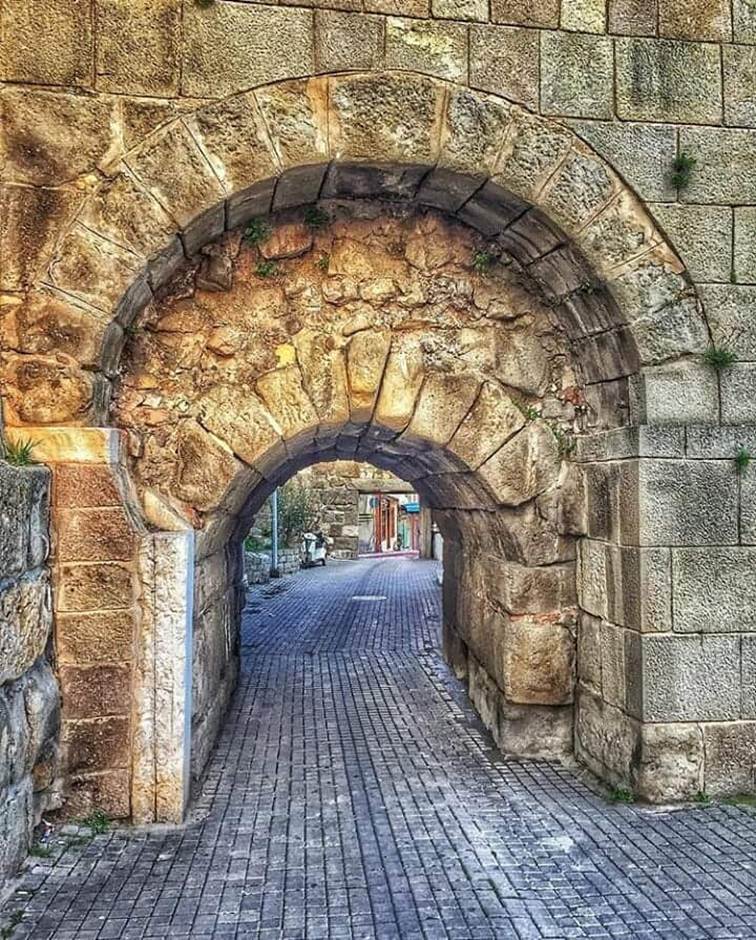
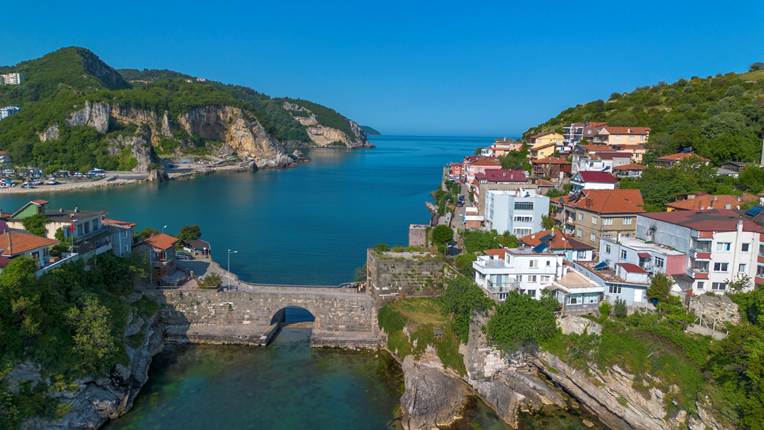
For such a small place, there are plenty of gentle things to do. A walk up to the castle area and the old Kemere Bridge gives you classic postcard views of Amasra’s two bays. Wandering through the backstreets, you’ll pass stone houses, small gardens, cats sunning themselves on steps and the occasional pension tucked into an old building. The local market and small craft shops add another layer, with regional jams, nuts, textiles and hand-made souvenirs that feel closer to village life than big-city shopping.
What makes Amasra especially attractive is how well it fits into a wider Black Sea itinerary. Combined with Safranbolu, Kastamonu, Amasya or Hattusa, it becomes the sea-air finale of a route that starts deep inland. After days spent among Ottoman mansions, castles, canyons or Hittite ruins, arriving in a place where you can simply walk by the water, eat fish, watch boats and listen to the waves is a perfect change of pace. Even if you’re just stopping for a short walking tour and a photo break before returning to Safranbolu, Amasra leaves a strong impression.
For travellers who want to go beyond Istanbul, Cappadocia and the Aegean coast, adding Amasra on the Black Sea brings a different texture to a Türkiye journey: less about big museums and famous monuments, more about sea, stone, light and local rhythm. It’s one of those small dots on the map that quietly becomes a highlight – a reminder that sometimes the best memories come from the edge of the land, where the road simply runs out into the water.